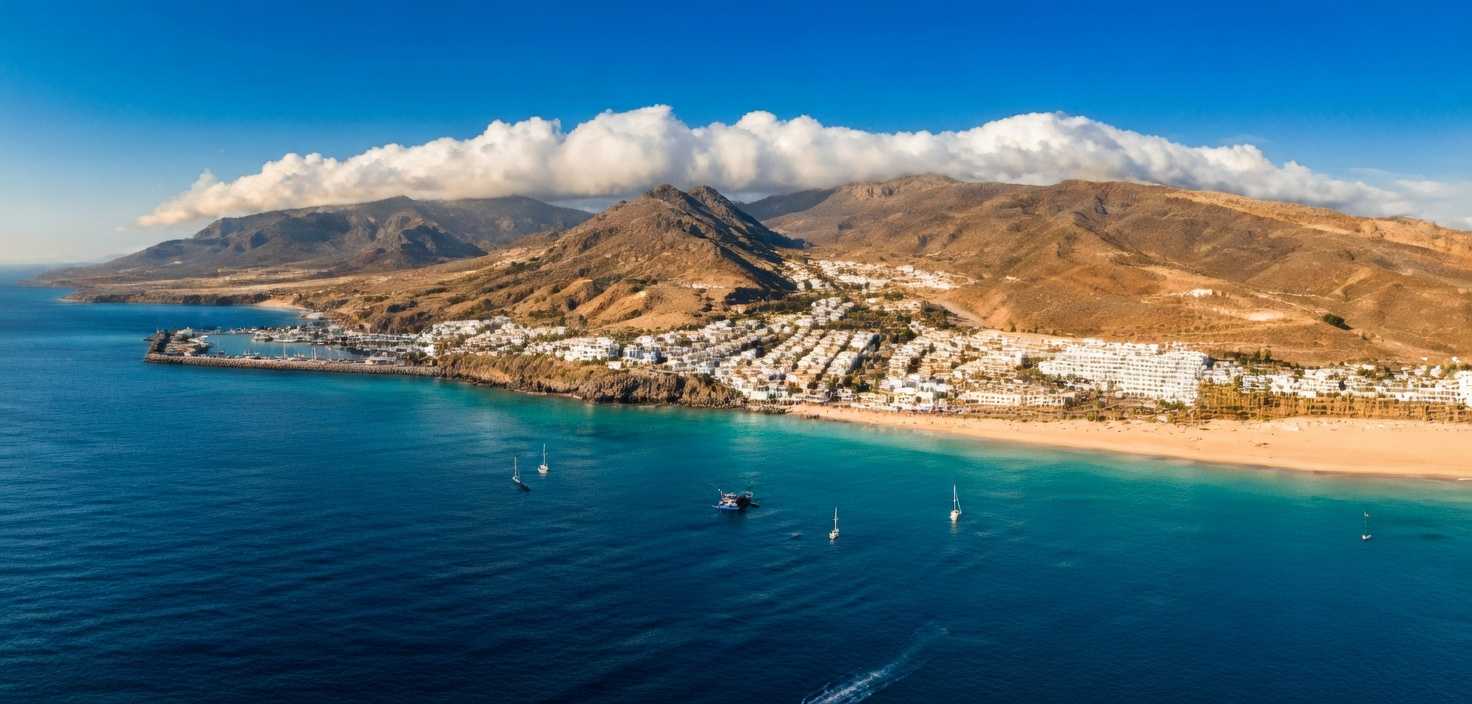
Jable
Have you ever heard of jable? If you are planning a trip to the Canary Islands or just love learning about unique nature, this is a word you need to know. Jable is a special kind of sand found mainly on islands like Lanzarote and Fuerteventura . Unlike the brown or white sand you see at typical beaches, jable often has a unique look and story. It is not just any sand; it is volcanic sand that plays a huge role in the islands’ history and farming. When you visit places like the stunning beaches of Lanzarote, you are walking on jable. This fine material is a big part of what makes the Canary Islands so special. Understanding jable helps you see these beautiful islands in a whole new light. It connects the fiery volcanoes to the calm, blue Atlantic Ocean. Let’s dive into the world of jable and see why it matters so much.
What Exactly is Jable? A Simple Definition
So, what is the simple meaning of this word? At its heart, jable is a term used in the Canary Islands to describe a specific type of sand . It can mean the fine, white sand you find on the coast. But more often, it refers to the volcanic sand that covers parts of the landscape. This volcanic jable is made up of tiny, weathered pieces of lava and volcanic rock. Over thousands of years, wind and weather broke down rough lava flows into small, gritty particles. This creates a unique ground cover that looks different from regular dirt or beach sand.
You will find jable covering large areas, creating sandy plains that look almost like a desert. The color can vary from a light gray to a deep, rich black, depending on the type of volcano it came from. This material is very light and porous. Because it is so light, the wind can easily move it around, forming dunes. If you ever visit the island of Lanzarote, you will see vast areas covered in this volcanic jable. It is a sight you won’t forget. This sand is a key part of the islands’ identity and scenery.
The Incredible History of Jable in the Canary Islands
The story of jable begins with fire and ash. The Canary Islands are volcanic islands. For millions of years, volcanoes erupted, sending lava flowing toward the sea. As this lava cooled and broke down, it created the base for jable . But the story doesn’t end there. When the first people, the Guanches and later European settlers, arrived, they saw this sandy ground and learned to use it. Historical documents from as far back as the 1500s talk about jable. For example, old texts mention land being covered in “arena y jable” (sand and jable), showing it was a common part of the landscape .
The word itself has a fascinating journey. Experts believe the name jable likely came from a French word, “sable,” which means sand . This makes sense because the first European settlers on the islands included Normans from France. Over time, the local people adapted the word, and it became “jable.” So, when you say the word, you are using a term with a history that connects the islands to medieval Europe and the age of exploration. It shows how language and nature mix together. The jable has been there for centuries, silently witnessing the changes in the islands’ history.
Why Farmers Love Jable: A Secret for Growing Food
Here is where jable gets really amazing. It is not just a pretty ground cover; it is a farmer’s best friend in a dry land. The Canary Islands do not get a lot of rain. So, how do farmers grow food? They use jable . This volcanic sand has a superpower: it is fantastic at holding onto moisture. Farmers would dig large holes in the volcanic ash and jable down to the older, fertile soil below. They would then plant their crops, like vines or potatoes, in these holes. Then, they would cover the ground around the plants with a thick layer of jable.
This layer of jable acts like a magic blanket. It soaks up any moisture from the air at night. During the day, it stops the sun from baking the ground and drying out the precious water below. The jable keeps the soil underneath cool and damp. This old farming method is called “enarenado.” It has allowed people to grow food on Lanzarote and Fuerteventura for hundreds of years. If you visit Lanzarote’s wine region, La Geria, you will see this technique in action. The landscape is covered in thousands of these holes, each one a small garden protected by jable. It is a smart way to farm and a beautiful sight.
Jable vs. Regular Beach Sand: Spot the Difference
When you go to the beach in Florida or California, the sand is often made of tiny bits of shell and quartz. It feels soft and is usually light in color. Jable is different. While some jable can be white and fine, especially near the coast, the volcanic type is something else entirely . Volcanic jable feels grittier and more textured. It is made of tiny, porous fragments of lava. This means it is much lighter than regular sand. If you look at it closely, you might see little pieces of black or red volcanic rock.
Another big difference is how it behaves. Because it is so light, jable moves easily with the wind. It can create shifting dunes that change shape and location over time. Regular beach sand is heavier and tends to stay put. Walking on jable can feel different too. It might crunch a little under your feet. The color of volcanic jable also means it gets much hotter in the sun than white sand. So, while a beach made of jable is beautiful, you might want to wear sandals on a sunny day! This unique sand gives the beaches of the Canary Islands their wild and otherworldly look.
Where Can You Find Jable? Exploring the Main Islands
You won’t find jable just anywhere. It is a special feature of the eastern Canary Islands, especially Lanzarote and Fuerteventura . In Lanzarote, the most famous place to see jable is the Timanfaya National Park and the surrounding area. The whole region is covered in a thick layer of volcanic ash and jable from eruptions in the 18th century. As you drive through, you see a landscape that looks like the moon, covered in sand of different colors. The wine region of La Geria is also a prime spot to see how jable covers the land and is used for farming.
In Fuerteventura, jable is also very common. The island has vast sandy plains and dunes made of this material. The famous Isthmus of La Pared, which connects two parts of the island, is essentially a giant stretch of jable . You can also find it in other places, like the sandy areas of Gran Canaria. However, the word and the traditional use of the sand are most deeply connected to Lanzarote and Fuerteventura. If you want to experience jable, these two islands are the perfect destinations.
The Wildlife and Plants That Love Jable
Life finds a way, even in sandy, volcanic ground. Jable might look barren at first, but it is home to many special plants and animals. These living things have adapted to survive in the loose, dry sand. You can find unique plants that send deep roots down through the jable to find water. Their roots also help hold the sand in place, stopping the wind from blowing it all away. Some plants have small, thick leaves to save water. Others have light seeds that the wind can carry across the sandy plains.
Animals like insects, lizards, and birds have also made the jable their home. Some insects have learned to blend in with the sand’s color to hide from predators. The Canary Islands lizard can often be seen scurrying across the jable. Birds might nest on the ground in these open, sandy areas because they can see danger from far away. The jable creates a unique habitat that you won’t find in the rocky mountains or on regular beaches. It is a quiet but busy world full of life.
Jable in Language: More Than Just a Word
The word “jable” is a beautiful example of how language travels and changes. As we learned, it likely came from the French word “sable” . The Norman French settlers who came to the islands in the 1400s and 1500s brought their language with them. The local people, who spoke Spanish, took this new word and made it their own. The “s” sound at the beginning became a “j” sound, turning “sable” into jable. This is a common way that words change when they move between languages. It shows how cultures mixed on the islands.
But the story doesn’t end there. The Royal Spanish Academy, which is the official group that watches over the Spanish language, recognizes “jable” as a valid word . They define it as the volcanic sand used in Canarian farming. So, it is not just slang; it is a real part of the Spanish language. When people in the Canary Islands talk about jable, they are using a word with a long and interesting history. It connects them to their own past and to the wider world. It is a word that holds stories of volcanoes, farmers, and explorers.
Other Meanings of Jable: A Word with Two Lives
Here is something interesting. While jable is mostly about sand in the Canary Islands, the word has another, completely different meaning. In the world of making barrels, jable is a technical term . It refers to the groove or channel cut into the ends of the wooden staves of a barrel. The barrel heads, which are the round pieces of wood on the top and bottom, fit into this groove. So, in a cooperage (a barrel-making workshop), the jable is the part that makes the barrel watertight. This meaning of the word comes from French as well, but from a different root word related to woodworking .
This shows that a single word can have two totally separate lives. One jable is a natural material covering an island. The other jable is a man-made groove in a piece of wood. Both are fascinating in their own way. When you search for “jable,” you might see results for both. But for anyone interested in the Canary Islands, the volcanic sand is the meaning that captures the heart and imagination. It is a reminder that words can have hidden depths, just like the history they describe.
How to Use the Word Jable in a Sentence
Using the word correctly is easy and fun. It helps you sound like a local when you visit the islands. Remember, it is a noun, so you use it like you would use “sand” or “soil.” Here are a few examples to help you out. You might say, “The ground in La Geria is covered in black jable.” This describes what you see in the wine region. Or you could say, “Farmers use jable to keep the soil moist for their vines.” This explains its purpose.
You can also talk about the landscape. “We walked across the jable dunes to get to the beach.” This gives a clear picture of the terrain. If you are talking about history, you could say, “The word jable has been used in Lanzarote for over 400 years.” This shows your knowledge. You can even describe the feeling of it. “The volcanic jable was warm under my feet.” Using the word this way will make your conversations about the Canary Islands much more vivid and accurate. It shows you have taken the time to learn about the local culture.
Conclusion: Why Jable Makes the Canary Islands Special
In short, jable is much more than just dirt or sand. It is the very soul of the Canary Islands’ landscape. It tells the story of violent volcanoes and the slow work of wind and time. It speaks of the cleverness of farmers who learned to grow food in a dry land using a blanket of volcanic grit. It gives the beaches a unique, dark beauty that you won’t find in many other places. From the lunar landscapes of Lanzarote to the sandy plains of Fuerteventura, jable shapes the view and the life of the islands.
Next time you see a picture of the Canary Islands or are lucky enough to visit, look down at the ground. If you see that dark, gritty sand, you will know its name: jable. You will understand its role in history, farming, and nature. It is a small word with a big meaning. It connects the past to the present and the earth to the people. So, embrace the magic of jable. It is one of the natural wonders that makes this Spanish archipelago a truly magical place to explore and learn about.
Frequently Asked Questions About Jable
1. Is jable the same as regular dirt?
No, jable is not the same as regular dirt or topsoil. Dirt is usually made of decomposed organic matter and minerals. Jable is specifically volcanic sand. It is made of tiny, weathered pieces of lava and volcanic rock. It is gritty, porous, and often contains no organic material .
2. Can you grow plants directly in jable?
You usually cannot grow plants directly in pure jable because it lacks nutrients. However, farmers use it as a cover or “mulch.” They plant crops in the fertile soil underneath and cover the surface with a layer of jable. This volcanic sand helps trap and hold moisture in the ground, which is vital in the dry climate of the islands .
3. Why is some jable black and some white?
The color of jable depends on what it is made of. Black or dark gray jable comes directly from broken-down basaltic lava, which is very common in volcanic areas. White jable is different. It is usually found near the coast and is made of finely ground seashells and coral fragments, mixed with volcanic material .
4. Where is the best place to see jable landscapes?
The best places to see amazing jable landscapes are the islands of Lanzarote and Fuerteventura. In Lanzarote, visit the wine region of La Geria or the areas around Timanfaya National Park. In Fuerteventura, the sandy isthmus and the dunes in places like Corralejo are perfect examples of jable-covered terrain .
5. Does the word jable have any other meanings?
Yes, interestingly, it does. In a completely different context, jable is also a word used in barrel-making. It refers to the groove carved into the ends of the barrel staves where the top and bottom pieces (the heads) fit in to make the barrel tight
About the Author
