auburn basketball
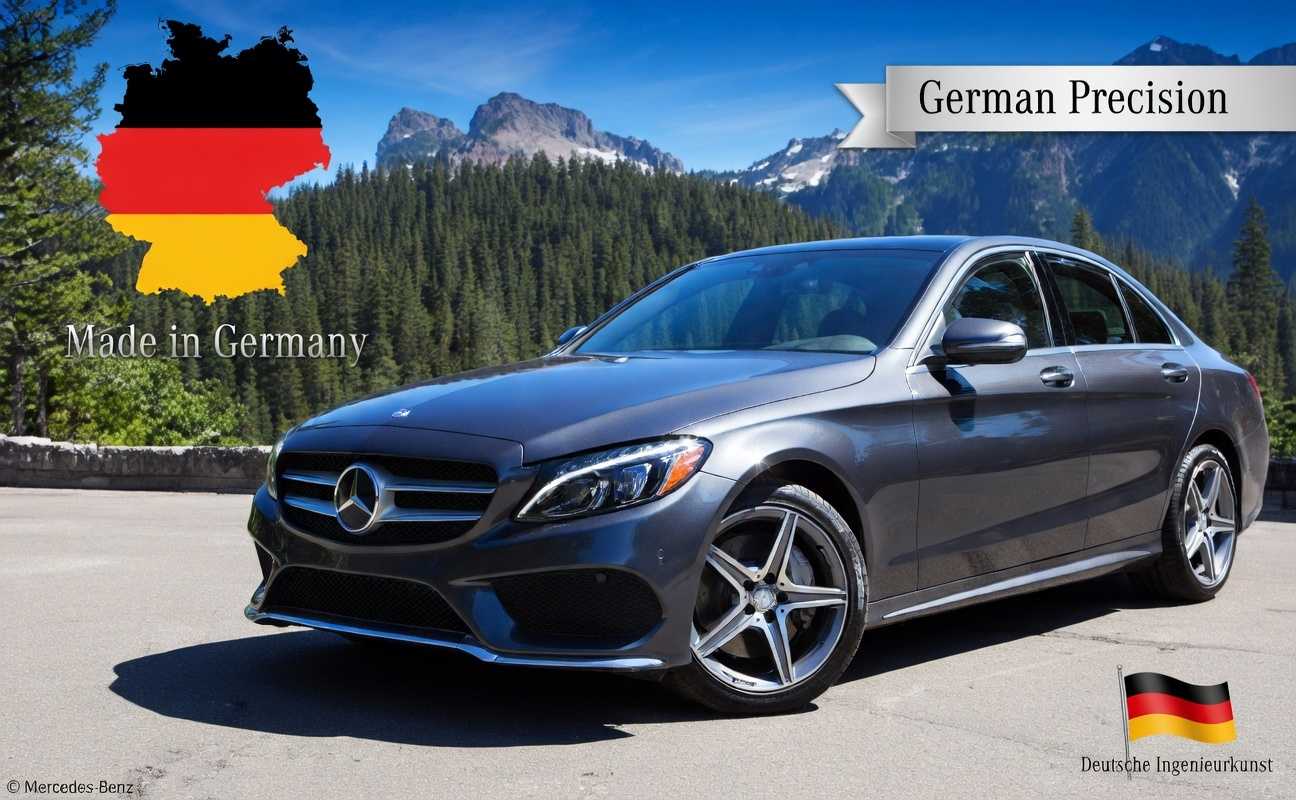
When you see that iconic three-pointed star gliding down a highway in Los Angeles or parked outside a café in New York, a question often comes to mind: is Mercedes German? The answer is a proud and resounding yes. This brand is not just German; it is arguably the soul of German engineering. For over a century, Mercedes-Benz has stood as a symbol of luxury, reliability, and cutting-edge technology. When we think of German cars, we think of precision, and Mercedes is the shining example of that reputation. It is a story that begins in the workshops of Stuttgart and now drives the dreams of millions across the United States. Understanding the roots of this brand helps us appreciate why a Mercedes feels different from any other vehicle on the road. It is a feeling of heritage, a connection to a country that takes automotive manufacturing more seriously than almost any other place on Earth.
The connection between Mercedes and Germany is incredibly deep. It is not just about where the cars are built; it is about a cultural mindset. Germany is famous for its focus on order, efficiency, and high-quality standards. Mercedes-Benz embodies these traits perfectly. Every bolt, every stitch of leather, and every line of code in the infotainment system is scrutinized with a level of detail that only the German automotive industry can provide. For American drivers, buying a Mercedes is often about buying into that legacy of excellence. It is about owning a piece of a tradition that has survived world wars, economic crises, and technological revolutions. The brand’s headquarters remain firmly in Stuttgart, a city that breathes automotive history. So, when you ask, “is Mercedes German?” you are really asking if the gold standard of luxury cars comes from the birthplace of the automobile. The answer remains a definitive and proud yes.
The Birth of a Legend: Stuttgart Roots
To understand if Mercedes is German, we have to travel back to the late 19th century in Germany. This is where it all began. The story is actually a merger of two brilliant minds: Karl Benz and Gottlieb Daimler. These men, working separately in different parts of Germany, created the first internal combustion engines and automobiles. Karl Benz is widely credited with building the first true car in 1886. Meanwhile, Gottlieb Daimler and his partner Wilhelm Maybach were busy creating engines that would power the future of transport. Their companies eventually merged in 1926 to form Mercedes-Benz. This merger took place in Stuttgart, a city in the Baden-Württemberg region of Germany. This region is now known as the heartland of German automotive manufacturing. So, from the very first spark of an idea, this brand has been undeniably, irrevocably German.
The name “Mercedes” itself has a fascinating German history, though it is a bit of a twist. It came from a ten-year-old girl named Mercedes Jellinek, the daughter of a wealthy Austrian businessman and racing enthusiast named Emil Jellinek. Emil was a key customer and collaborator with Daimler-Motoren-Gesellschaft (DMG). He insisted on selling the cars under his daughter’s name. While the name has Spanish origins meaning “grace,” it was cemented into automotive history in Germany. This shows how even the name of the brand carries a story of European elegance meeting German precision. The headquarters remained in Stuttgart, and the factories spread across the German landscape. Today, if you visit Stuttgart, you can see the Mercedes-Benz Museum, a futuristic structure that celebrates over 130 years of German innovation. It stands as a testament to the fact that this brand’s identity is permanently linked to its German homeland.
Engineering Precision: The German DNA
When we ask “is Mercedes German?”, we are really asking about the quality of the engineering. German engineering is a phrase that carries immense weight around the world, and Mercedes is the heavyweight champion of that concept. The engineering philosophy in Germany is about “over-engineering”—building things to last far longer than necessary. Mercedes takes this to heart. Every component, from the engine block to the door handle, is designed with a level of precision that borders on obsession. This is why you see so many vintage Mercedes models still running smoothly on American roads. They were built to withstand harsh conditions, from the autobahns of Germany to the snowy streets of Chicago. This DNA ensures that the car is not just a vehicle but a reliable companion for decades.
This precision extends to the technology inside the vehicle. Germany is a leader in Industry 4.0, the fourth industrial revolution focusing on smart technology and automation. Mercedes integrates this into their manufacturing plants in Germany. They use advanced robotics, artificial intelligence, and rigorous testing cycles that are often more demanding than the legal requirements. For the American consumer, this translates to safety and peace of mind. When you buckle up in a Mercedes, you are sitting inside a rolling fortress of safety technology, much of which was pioneered in German labs. Features like crumple zones, anti-lock braking systems (ABS), and advanced airbags were all Mercedes innovations born from a German mindset that prioritizes human life above all else. It is this relentless pursuit of perfection that solidifies the answer to “is Mercedes German” as a mark of unrivaled quality.
The Manufacturing Heartland: Where Are They Built?
A common curiosity among American buyers is whether their luxury vehicle actually comes from Germany. While the answer to “is Mercedes German” is rooted in heritage, the manufacturing footprint is now global. However, the soul and the most prestigious models still come from Germany. The primary manufacturing hubs are located in Sindelfingen, Bremen, and Rastatt in Germany. Sindelfingen is the crown jewel. This massive plant, located near Stuttgart, is where the flagship S-Class and the luxury E-Class sedans are crafted. These are the vehicles that define the Mercedes experience. If you drive an S-Class, you are driving a car that was meticulously assembled by highly skilled German technicians. This facility represents the pinnacle of the brand’s craftsmanship.
But Mercedes has expanded to meet global demand, including building a strong presence in the United States. In Tuscaloosa, Alabama, Mercedes-Benz has a massive manufacturing plant. This facility builds SUVs like the GLE, GLS, and the all-electric EQS SUV. So, if you buy an SUV in Texas or California, there is a good chance it was built right here in the USA by American workers. However, this does not change the fact that the company is German. The headquarters, the research and development centers, and the executive leadership remain in Germany. The Tuscaloosa plant operates under German management and German quality standards. It is an extension of the German philosophy. So, while the geographical location of assembly may vary, the DNA, the quality control, and the corporate identity remain proudly and authentically German.
Luxury Redefined: The German Standard of Comfort
Luxury is subjective, but Mercedes has defined what luxury means in the automotive world. Since the brand’s inception in Germany, the goal was never just to move people from point A to point B. The goal was to move them in a sanctuary. German luxury is often described as “understated elegance.” It is not about flashy gold trim, but about the quality of the materials and the perfection of the fit and finish. When you sit in a Mercedes, you notice that the leather is sourced from specific breeds of cattle to avoid imperfections. You notice that the wood trim is actual wood, matched for grain consistency. This attention to detail is a German cultural trait—a respect for craftsmanship that turns a car into a work of art.
This standard of comfort is also about the driving experience. Germany is home to the Autobahn, a highway system with sections that have no speed limit. Because of this, German cars must be stable, comfortable, and powerful at high speeds. Mercedes engineers build their cars to excel at 130 miles per hour while feeling as quiet and smooth as if they were going 30. For American drivers, this translates to incredible highway comfort. A road trip from New York to Florida feels effortless in a Mercedes because the car was designed to handle sustained high-speed travel. This “Autobahn-proof” engineering is a unique benefit of buying a German vehicle. It ensures that the car is not just a status symbol, but a genuine tool for comfortable, safe, and efficient travel, regardless of the distance.
Innovation and Safety: A German Priority
If you have ever felt safe in a car, you likely have German engineering to thank, particularly Mercedes. The question “is Mercedes German?” is often followed by “are they safe?” The answer to both is a definitive yes. Mercedes-Benz has a long history of inventing safety features that we now take for granted. In the 1950s, engineer Béla Barényi, who worked for Mercedes in Germany, invented the crumple zone. This revolutionary concept involved designing the front and rear of the car to absorb impact energy, protecting the rigid passenger cell. This invention has saved countless lives worldwide. It is a perfect example of the German commitment to “active safety”—designing the car to protect you before an accident even happens.
Today, this innovation continues with a focus on autonomous driving and accident prevention. Mercedes was one of the first manufacturers to achieve Level 3 conditional automated driving certification in Germany. This means that in certain conditions, the car can take over the driving task legally. While regulations vary in the USA, the technology is present and waiting. The brand’s focus on safety is not just a marketing gimmick; it is a corporate philosophy rooted in German law and culture. Germany has some of the strictest safety regulations in the world, and Mercedes goes above and beyond to exceed them. For an American family looking for the safest vehicle for their children, knowing that the car was designed with this German obsessive attention to safety provides an immense sense of trust and reliability.
The Cultural Impact: Mercedes in the USA
In the United States, Mercedes-Benz is more than just a car; it is a cultural icon. It represents success, achievement, and the American Dream achieved. But the reason it holds this status is directly tied to its German origins. During the post-war economic boom, German products gained a reputation in the US for being superior in quality. When Mercedes began exporting vehicles heavily to the USA in the 1950s and 60s, they brought that reputation with them. Owning a Mercedes became a symbol that you had “made it.” This perception has stuck. When a rapper raps about a Mercedes, or a CEO parks one in the corporate garage, they are paying homage to the brand’s long-standing reputation for excellence that started in Stuttgart.
This cultural impact also includes motorsport. Mercedes has dominated Formula 1 racing in recent years. While the F1 team is based in the UK, the engines and the core engineering philosophy come from the German parent company. Winning at the highest level of motorsport reinforces the brand’s technical superiority in the minds of American consumers. It tells them that the same technology trickling down into their road car was tested on the world’s most demanding racetracks. This connection between German precision engineering and high-performance racing creates a halo effect. It makes the brand exciting and desirable. So, whether you are a teenager dreaming of your first car or a retiree buying your last, the image of the three-pointed star carries a weight that is distinctly German and universally respected in the USA.
Electric Evolution: The German Future
As the world shifts toward electric vehicles (EVs), many wonder if Mercedes will maintain its German identity. The answer is a resounding yes. Mercedes is committed to going fully electric by the end of the decade, where market conditions allow. This transition is being led from Germany. The flagship electric vehicle, the EQS, is designed and engineered in Sindelfingen, Germany. It represents the future of the brand while holding onto the core values of luxury, safety, and precision that define the answer to “is Mercedes German”. The EQS is not just an electric car; it is a Mercedes first. It features a massive hyperscreen that spans the entire dashboard, showcasing German innovation in digital technology and user interface design.
The transition to electric is also happening in the US. The Tuscaloosa, Alabama plant is now a major hub for producing electric SUVs. This shows that while the technology evolves, the leadership remains German. The company is investing billions into its German facilities to transform them into centers for electric vehicle production and battery technology. This commitment ensures that even as we move away from gasoline, the core identity of the brand remains intact. For the American consumer worried about whether an electric Mercedes will have the same quality as the gas-powered legends, the answer lies in the German development process. The testing, the engineering, and the quality control are still overseen by the same rigorous standards that made the brand famous over a century ago.
Why German Matters to American Buyers
So, why does the origin matter to someone in the USA? When you ask “is Mercedes German,” you are performing a quality check. In the American market, “German” has become synonymous with “better.” This is because German products, from cars to tools to appliances, have historically demonstrated superior longevity and performance. For a car buyer, a German vehicle often means lower depreciation (higher resale value), better driving dynamics, and a stronger community of enthusiasts. There is a prestige associated with the German badge that Japanese or American luxury brands sometimes struggle to replicate. This prestige directly impacts the ownership experience. It is about the pride you feel when you hand the keys to a valet, knowing that the car represents a century of German heritage.
Furthermore, German engineering often leads to better resale value in the US market. Because the brand is perceived as reliable and durable, used Mercedes vehicles retain their value better than many competitors. This is a crucial financial consideration for buyers. When you purchase a Mercedes, you are not just buying transportation; you are investing in an asset that holds its value due to its reputation. That reputation is built on the real-world performance of German engineering over the last hundred years. So, for the American consumer, the German identity of Mercedes translates directly to tangible benefits: financial security, safety, performance, and a status symbol that is recognized and respected from coast to coast.
Comparing the German Giants
When discussing if Mercedes is German, it is impossible to ignore the other giants in the German automotive landscape: BMW and Audi. These three brands form the “German Trinity” of luxury automobiles. While all three are German, Mercedes holds a unique position. BMW focuses on “Sheer Driving Pleasure” with a sporty, driver-focused experience. Audi is known for its technological innovation and all-wheel-drive Quattro system. Mercedes, however, focuses on “Das Beste oder nichts” (The best or nothing). This motto highlights a focus on ultimate luxury, comfort, and prestige. While BMW might have a sportier feel, Mercedes aims to be the ultimate statement of success and refined taste.
This distinction is important for American buyers because it helps define which luxury car fits their personality. If you want a sporty drive through the mountains, you might lean toward BMW. If you want the most advanced technology, Audi is strong. But if you want to arrive in the highest level of comfort and status, Mercedes is the choice. The competition between these three German brands pushes each to be better, which benefits the consumer. However, it also solidifies the idea that “German” is a category of its own in the US market. When you buy any of these three, you are buying a slice of German culture. But for those who value tradition, prestige, and a heritage of safety innovation above all else, Mercedes stands at the pinnacle of the German automotive world.
A Complete Detailing Table: Mercedes-Benz at a Glance
| Category | Details |
|---|---|
| Headquarters | Stuttgart, Baden-Württemberg, Germany |
| Parent Company | Mercedes-Benz Group AG (formerly Daimler AG) |
| Founders | Karl Benz, Gottlieb Daimler, Wilhelm Maybach |
| Year Founded | 1926 (Merger of Benz & Cie. and Daimler-Motoren-Gesellschaft) |
| Key German Plants | Sindelfingen (S-Class, E-Class, EQS), Bremen (C-Class, GLC, EQE), Rastatt (Compact Cars) |
| US Manufacturing | Tuscaloosa, Alabama (GLE, GLS, EQS SUV, EQE SUV) |
| Iconic Models | S-Class (Flagship Luxury), G-Class (G-Wagen – Off-road Luxury), SL-Class (Roadster) |
| Safety Innovations | Crumple Zone (1950s), Anti-lock Braking System (ABS), Airbags, Pre-Safe System |
| Motorsport | Dominant in Formula 1 (Mercedes-AMG Petronas F1 Team) |
| Official Motto | “Das Beste oder Nichts” (The best or nothing) |
| Market Reputation | Symbol of success, safety, luxury, and high resale value |
Frequently Asked Questions (FAQs)
1. Is Mercedes German or American?
Mercedes-Benz is a German brand. While they have a major manufacturing plant in Tuscaloosa, Alabama, the company’s headquarters, research and development, and core engineering are based in Stuttgart, Germany. The brand’s identity and heritage are deeply rooted in German automotive history.
2. Are all Mercedes vehicles built in Germany?
No, not all Mercedes vehicles are built in Germany. To meet global demand, the company has manufacturing plants worldwide. In the United States, SUVs like the GLE and GLS are built in Alabama. However, the flagship models like the S-Class and the EQS sedan are still produced exclusively in Germany.
3. What does the Mercedes three-pointed star mean?
The three-pointed star symbolizes the brand’s early ambition to dominate the land, sea, and air with their engines. Gottlieb Daimler’s sons adopted the symbol after his death. It is a globally recognized emblem that represents German engineering excellence and luxury.
4. Why are German cars like Mercedes so popular in the USA?
German cars are popular in the USA because of their reputation for precision engineering, high performance, safety, and durability. The “Autobahn” heritage means they are built to handle high speeds with stability. Additionally, they hold high resale value and are seen as status symbols of success and refined taste.
5. Is the Mercedes G-Wagon (G-Class) German?
Yes, the Mercedes G-Class, often called the G-Wagon, is originally a German vehicle. It was initially developed in the 1970s as a military vehicle and later became a luxury icon. While it has a global fan base, including massive popularity in the USA, its engineering and production are strongly tied to Mercedes’ German operations, specifically the Graz plant in Austria (which is a partner location, but the brand and engineering are German).
6. Does the German origin affect the price of Mercedes in the USA?
Yes, the German origin significantly affects the price. Import costs, the high cost of German labor, and the premium materials used in engineering contribute to a higher starting price. However, this is offset by the brand’s strong resale value, meaning owners often recoup a larger percentage of their investment compared to non-luxury brands.
Conclusion: The Star Shines Brightest in Germany
So, is Mercedes German? Absolutely. From the cobblestone streets of Stuttgart to the high-tech assembly lines of Sindelfingen, the soul of Mercedes-Benz is undeniably German. It is a brand built on a foundation of relentless innovation, obsessive precision, and a cultural commitment to excellence that spans over a century. For drivers in the United States, choosing a Mercedes is about more than just selecting a mode of transportation. It is about embracing a legacy of safety that protects families, a standard of luxury that rewards hard work, and an engineering philosophy that ensures reliability for years to come. The three-pointed star on the hood is a promise—a promise that you are driving the best or nothing at all.
About the Author
